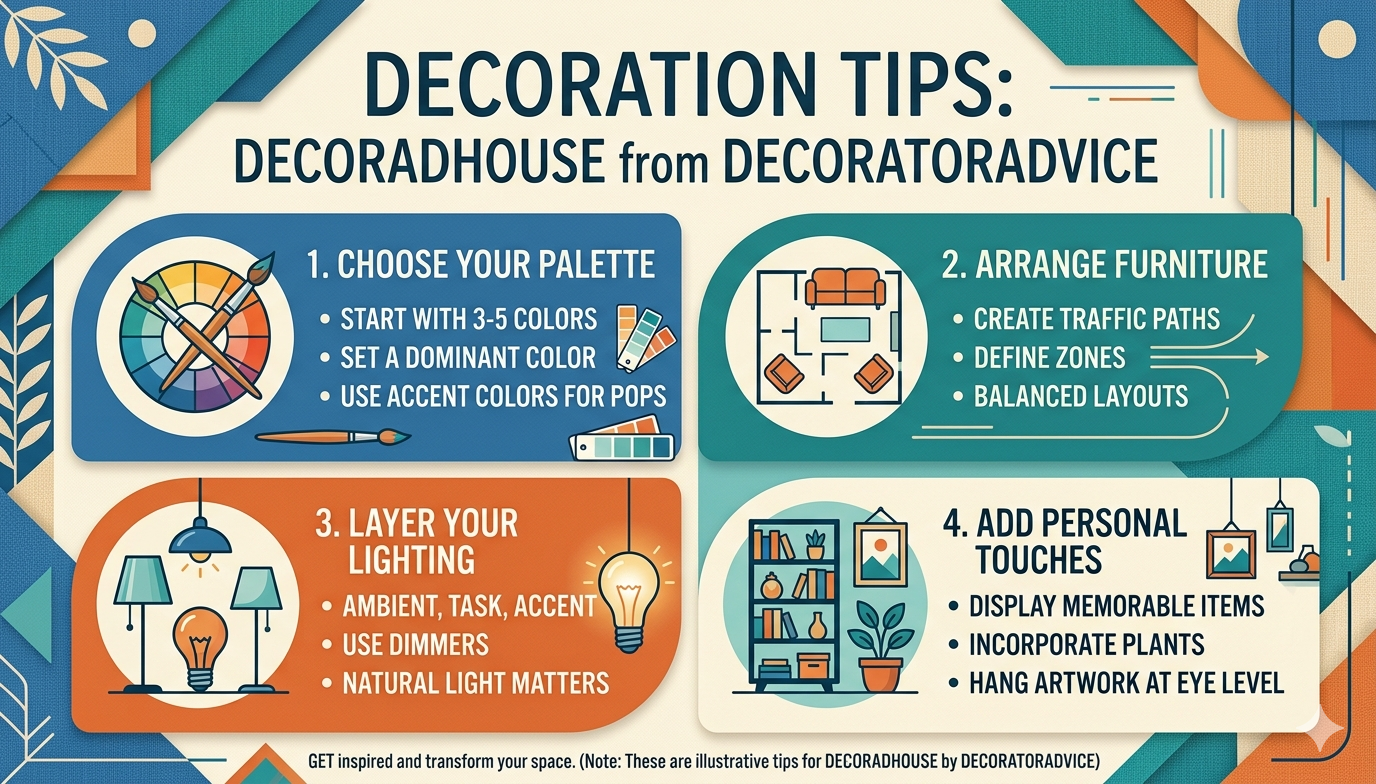
Interior decoration is far more than arranging furniture or choosing paint colors; it is an evolving craft that blends aesthetics, psychology, culture, and personal storytelling. Homes today are expected to be functional sanctuaries, expressive environments, and adaptable spaces that support changing lifestyles. This article explores a holistic approach to decorating, balancing creativity with practicality, and offers insight into how thoughtful choices can transform ordinary rooms into meaningful living spaces. Throughout this guide, ideas inspired by decoration tips decoradhouse from decoratoradvice will appear naturally, supporting a consistent and well-rounded perspective on interior design.
Understanding the Purpose of Decoration
Decoration begins with intention. Every room serves a purpose, whether it is a place for rest, productivity, entertainment, or connection. Before selecting materials or colors, it is essential to understand how a space will be used and who will use it. A living room designed for family gatherings requires different considerations than a home office or a private bedroom.
The foundation of good decorating lies in aligning function with beauty. When these two aspects work together, the result is a space that feels effortless and welcoming. Many homeowners find that revisiting core principles found in decoration tips decoradhouse from decoratoradvice helps them avoid common mistakes, such as overcrowding or neglecting comfort in favor of trends.
Developing a Personal Style
Personal style is the backbone of successful decoration. Trends can inspire, but they should not overshadow individuality. Some people gravitate toward minimalism, appreciating clean lines and neutral palettes, while others prefer eclectic environments filled with color, texture, and layered patterns.
To identify your style, consider your lifestyle, your emotional responses to certain environments, and the items you already love. Artwork, travel souvenirs, and heirlooms can guide your choices and anchor your design narrative. Drawing from decoration tips decoradhouse from decoratoradvice, many decorators recommend starting with a mood board that visually represents your preferences before making major decisions.
Color Psychology and Its Impact
Color influences mood more than any other design element. Soft blues and greens promote calm, while warm tones like terracotta and mustard can energize a space. Neutrals provide balance and flexibility, allowing other elements to shine.
When choosing colors, lighting must be considered. Natural light changes the appearance of hues throughout the day, while artificial lighting can either enhance or distort them. Strategic use of color, inspired by decoration tips decoradhouse from decoratoradvice, ensures that a room feels harmonious under all lighting conditions.
Furniture Selection and Spatial Balance
Furniture defines how a room functions. Scale and proportion are crucial; oversized pieces can overwhelm small rooms, while undersized furniture may make large spaces feel empty. The goal is balance, where movement feels natural and each piece serves a clear purpose.
Quality often outweighs quantity. Investing in fewer, well-crafted items can elevate a room more effectively than filling it with numerous decorative objects. Many professionals emphasize, through decoration tips decoradhouse from decoratoradvice, the importance of negative space, allowing rooms to breathe and feel intentional rather than cluttered.
The Role of Textures and Materials
Texture adds depth and warmth to interiors. A room dominated by smooth surfaces may feel cold, while the addition of textiles like rugs, cushions, and curtains introduces comfort. Mixing materials—wood, metal, glass, and fabric—creates visual interest and tactile variety.
Natural materials often bring a sense of authenticity and timelessness. Stone countertops, wooden floors, and linen upholstery age gracefully and connect interiors to the natural world. Incorporating such elements, as suggested by decoration tips decoradhouse from decoratoradvice, helps create spaces that feel grounded and enduring.
Lighting as a Design Tool
Lighting is one of the most transformative yet underestimated aspects of decoration. It shapes atmosphere, highlights features, and supports daily activities. A layered lighting approach combines ambient, task, and accent lighting to meet diverse needs. decoratoradvice .com partners
Natural light should always be maximized. Window treatments that allow flexibility can control brightness while maintaining privacy. Artificial lighting, when thoughtfully placed, can enhance architectural details and artwork. Many decorators rely on principles similar to decoration tips decoradhouse from decoratoradvice to ensure that lighting remains both functional and expressive.
Wall Treatments Beyond Paint
Walls offer vast creative potential. While paint remains a popular choice, wallpapers, textured finishes, and paneling can dramatically alter a room’s character. Feature walls can anchor a space, drawing attention without overwhelming it.
Artwork placement is equally important. Proper scale, spacing, and alignment can turn walls into curated galleries. Referencing decoration tips decoradhouse from decoratoradvice, decorators often suggest arranging artwork at eye level and considering the relationship between pieces to create visual flow.
Flooring and Its Influence
Flooring forms the base of any interior scheme. It must withstand daily wear while complementing the overall design. Hardwood floors offer timeless appeal, tiles provide durability, and carpets add warmth and acoustic comfort.
Area rugs are powerful tools for defining zones, especially in open-plan spaces. They introduce color and pattern while softening hard surfaces. Using guidance similar to decoration tips decoradhouse from decoratoradvice, selecting the right rug size ensures cohesion rather than fragmentation.
Storage Solutions and Organization
A beautifully decorated space quickly loses its charm if cluttered. Smart storage solutions maintain order without sacrificing style. Built-in shelving, multifunctional furniture, and concealed storage help keep essentials accessible yet unobtrusive.
Organization should adapt to changing needs. Flexible systems allow rooms to evolve over time. Many homeowners appreciate the practicality emphasized in decoration tips decoradhouse from decoratoradvice, where aesthetics and organization work hand in hand.
Incorporating Nature Indoors
Biophilic design strengthens the connection between humans and nature. Indoor plants improve air quality, soften architectural lines, and introduce organic movement. Even small touches, such as natural fibers or botanical prints, can evoke a sense of calm.
Placement matters. Plants should receive adequate light and complement the scale of the room. Drawing from decoration tips decoradhouse from decoratoradvice, thoughtful integration of greenery prevents spaces from feeling artificial or staged.
Cultural and Regional Influences
Decoration often reflects cultural identity and regional heritage. Materials, colors, and motifs can tell stories about place and tradition. In the United States, interiors frequently blend influences from diverse cultures, resulting in rich and varied design expressions.
Respecting cultural elements adds depth and authenticity. Rather than copying styles, understanding their origins allows for meaningful adaptation. Such sensitivity aligns with the broader philosophy found in decoration tips decoradhouse from decoratoradvice, where context enriches creativity.
Sustainable and Ethical Choices
Sustainability has become a central consideration in modern decoration. Eco-friendly materials, energy-efficient lighting, and ethically sourced furniture reduce environmental impact while supporting responsible practices.
Choosing durability over disposability promotes long-term satisfaction. Vintage and reclaimed items not only reduce waste but also add character. Many decorators highlight, through decoration tips decoradhouse from decoratoradvice, that sustainable choices often lead to more unique and personal interiors.
Adapting Spaces for Changing Lifestyles
Homes must adapt as lifestyles evolve. Remote work, growing families, and changing hobbies require flexible design solutions. Modular furniture and adaptable layouts allow rooms to serve multiple purposes.
Planning for adaptability ensures longevity. By following principles similar to decoration tips decoradhouse from decoratoradvice, decorators encourage homeowners to think ahead, designing spaces that can grow and change without constant renovation.
Common Mistakes to Avoid
Even well-intentioned decorators can fall into common traps. Overmatching furniture sets, ignoring scale, and following trends blindly can result in uninspired spaces. Another frequent mistake is neglecting comfort in favor of visual impact.
Learning from these pitfalls fosters confidence. Many find that revisiting decoration tips decoradhouse from decoratoradvice helps refine judgment and develop a more discerning eye over time.
Creating Emotional Connection
Ultimately, decoration is about emotion. A well-decorated home should evoke comfort, joy, and a sense of belonging. Personal touches—family photographs, meaningful objects, and handmade items—infuse spaces with authenticity.
When decoration resonates emotionally, it transcends style categories. This deeper connection is often emphasized in decoration tips decoradhouse from decoratoradvice, reminding decorators that homes are lived-in stories, not static displays.
Conclusion: A Thoughtful Approach to Decoration
Decorating a home is a journey of exploration, reflection, and creativity. By balancing function with beauty, honoring personal style, and making informed choices, anyone can create spaces that feel both inspiring and practical. The principles discussed throughout this article demonstrate that successful interiors are not defined by trends alone but by thoughtful intention and adaptability.
Whether embarking on a full redesign or making small updates, embracing ideas rooted in decoration tips decoradhouse from decoratoradvice encourages a mindful approach that values comfort, sustainability, and individuality. In doing so, decoration becomes not just an aesthetic exercise, but a meaningful expression of how we live and who we are.